Welcome to Alto Tambopata!
Arriving in Puerto Maldonado, the capital of Madre de Dios, join the 1-hour boat transfer and 30-minute hike to Lake Sandoval. As you leave the city behind, you’ll have the opportunity to observe some animals, birds, and the incredible landscapes along the way.
ITINERARY
JUNGLE HIKE, NIGHTTIME CAIMAN WATCHING, AND CAPYBARA SEARCH
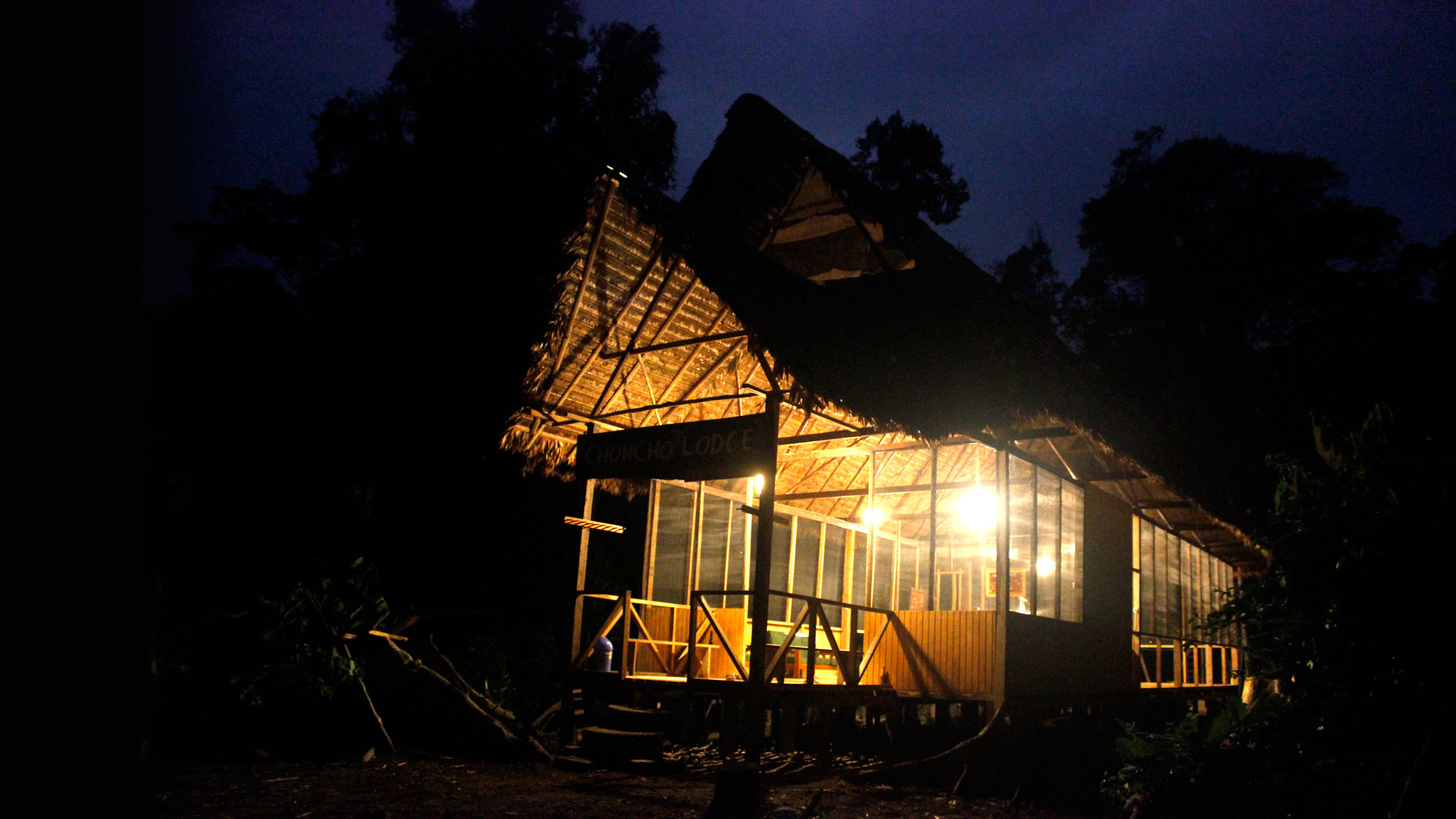
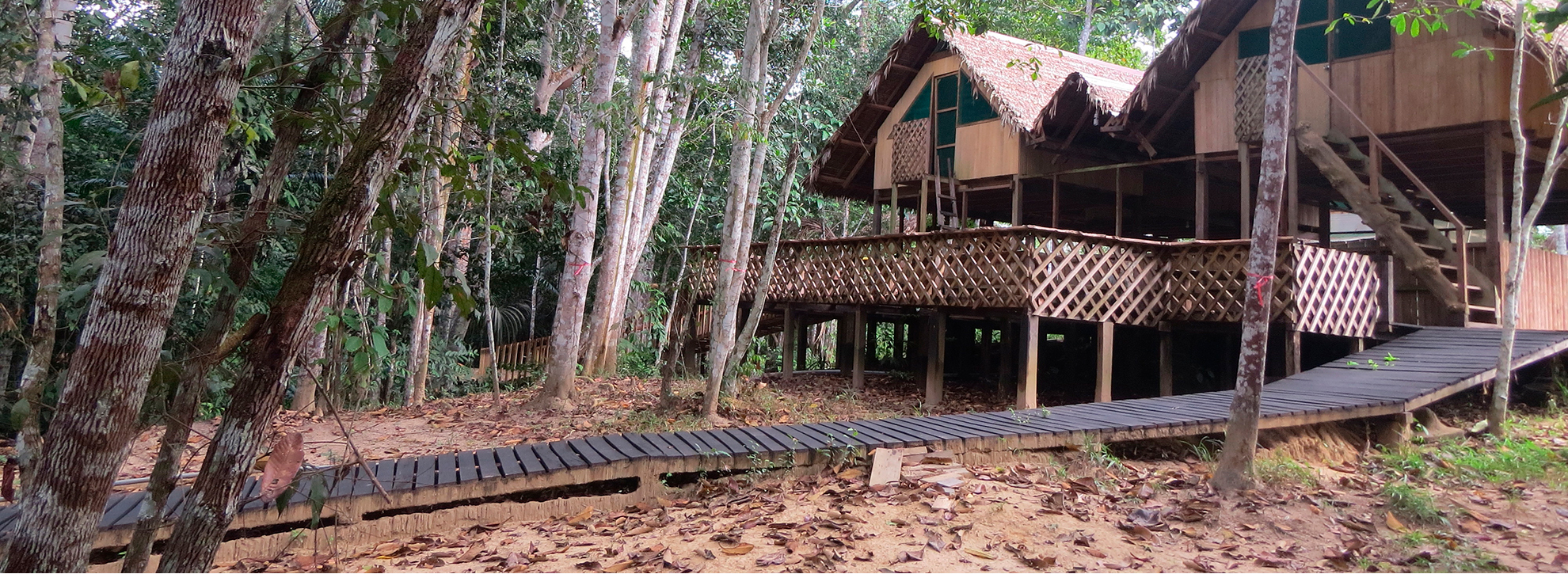
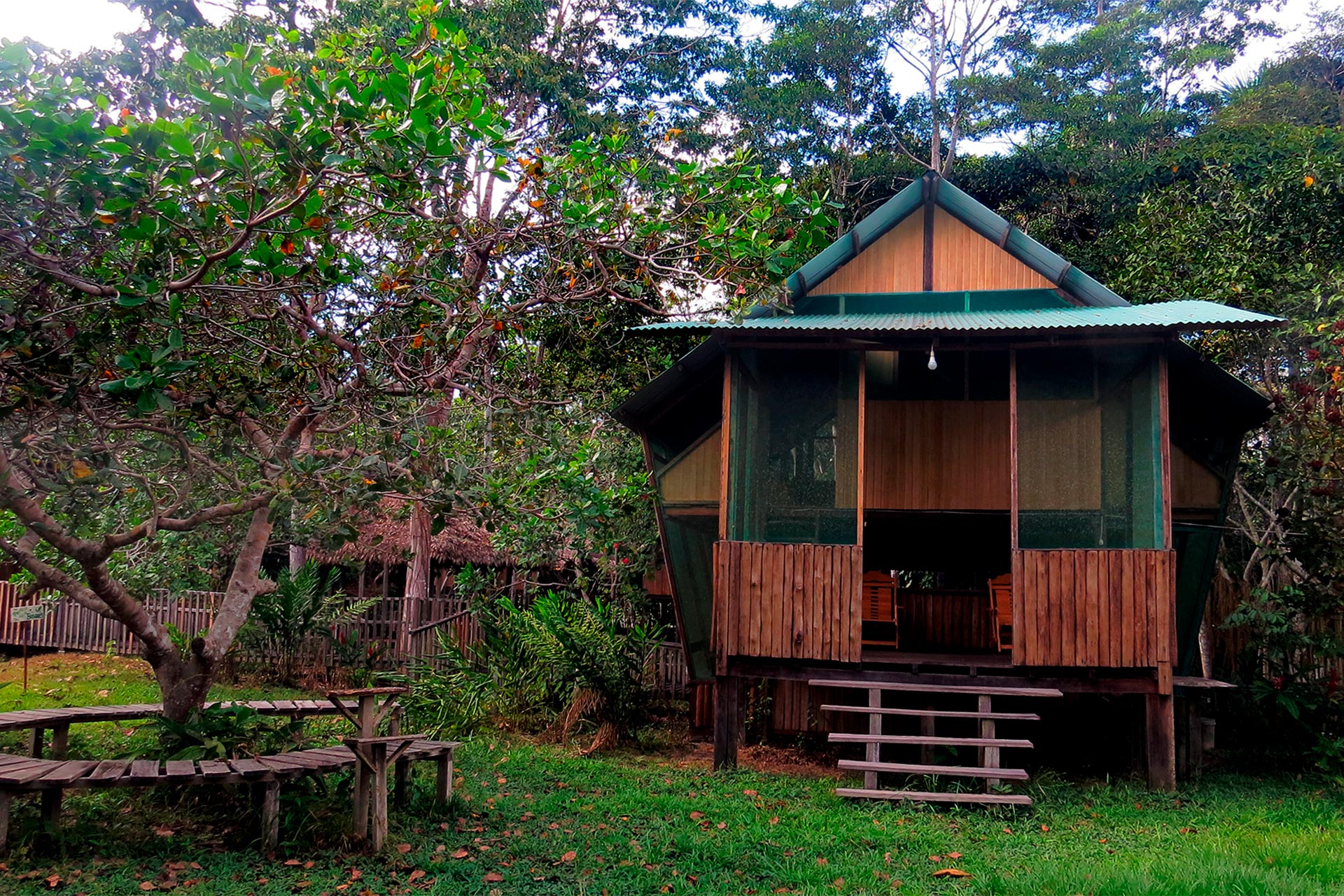
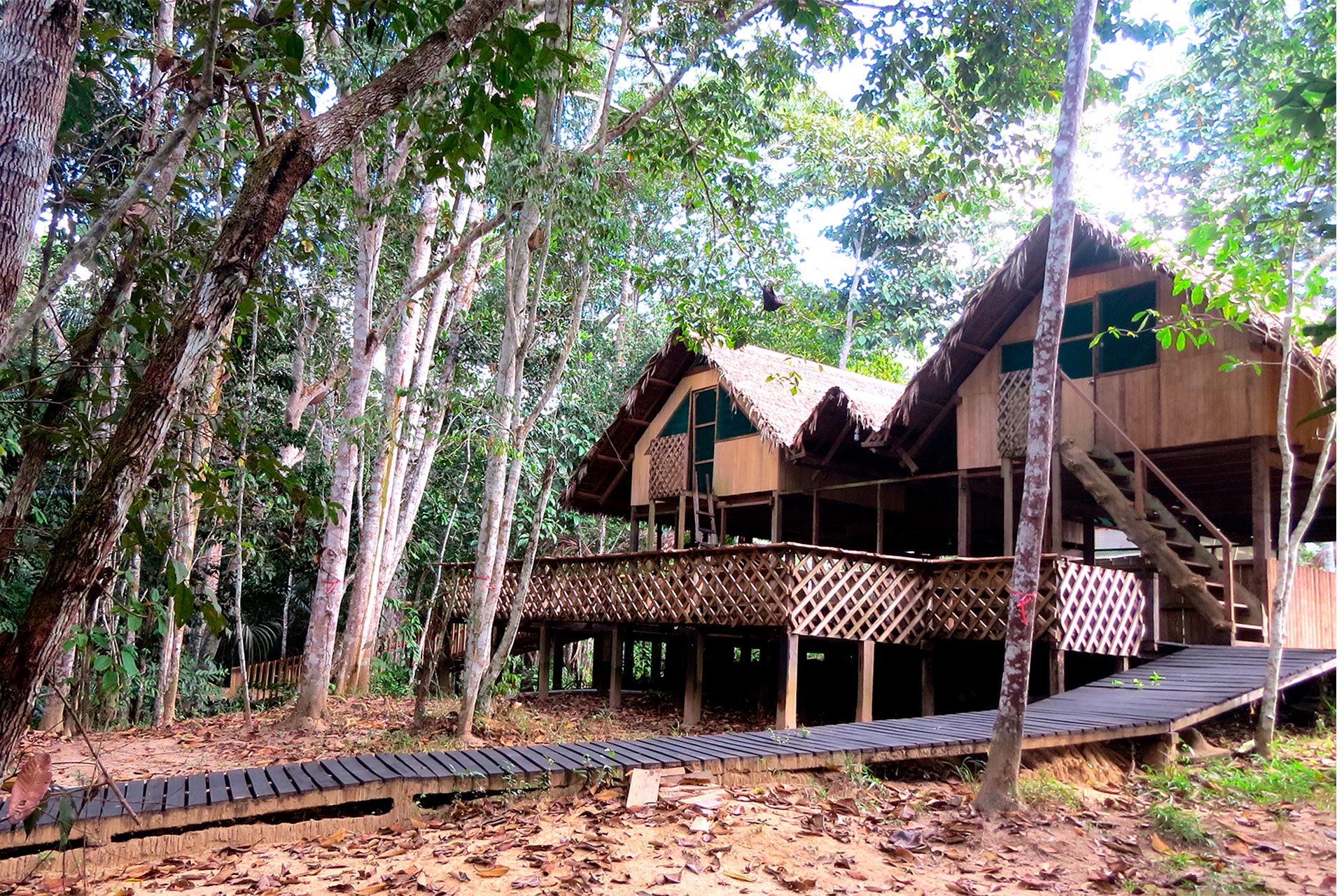
Transfer to the port where we’ll board the boat that will take us to our accommodation in one hour. Welcome with a refreshing regional fruit juice. Check-in to your respective rooms.
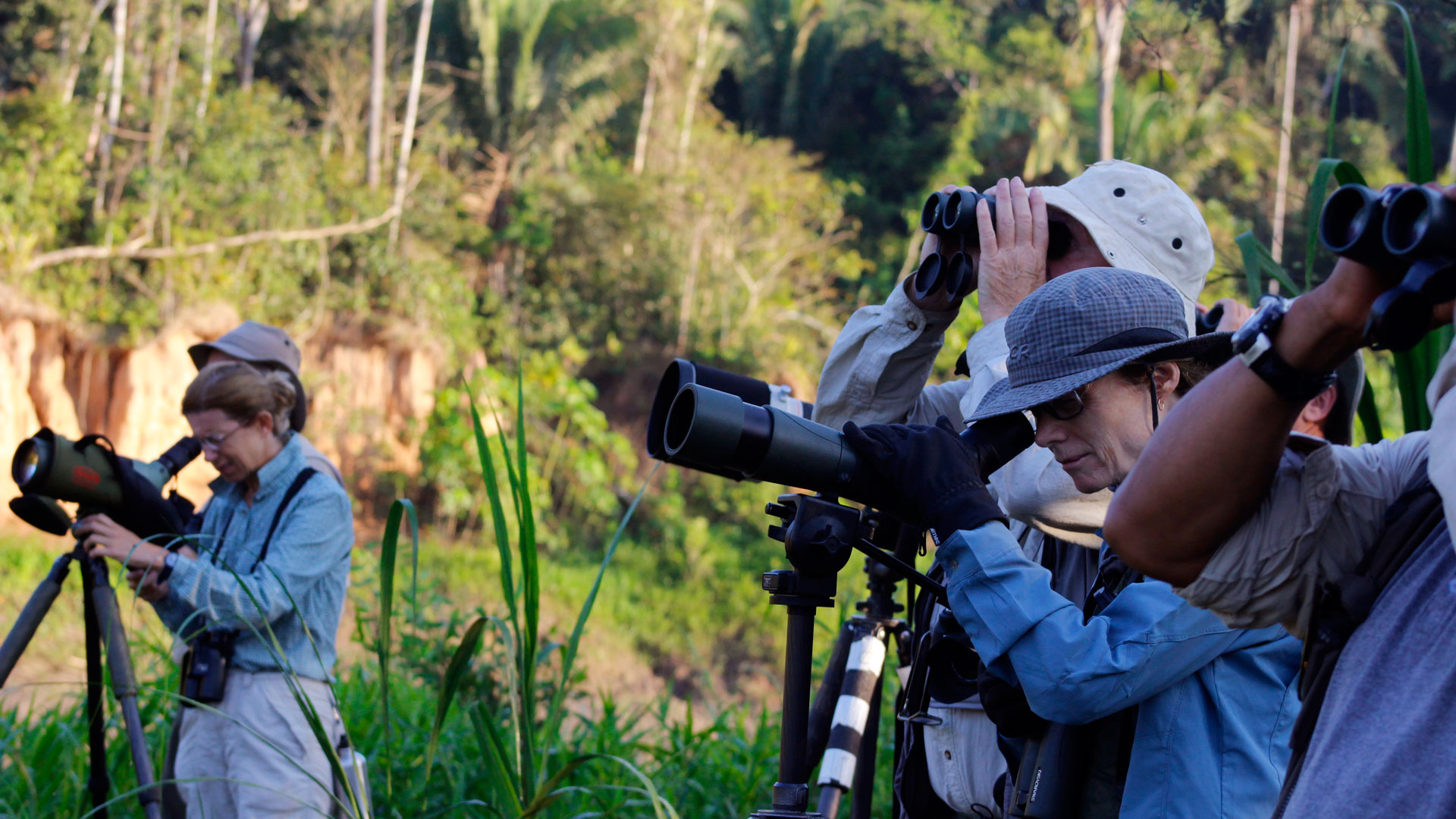
After a short rest, you’ll embark on a two-hour introductory hike through the dense rainforest, accompanied by an expert local guide who will lead you along our trails to admire a variety of trees, some of which are over five hundred years old. At the same time, you will be able to observe some species of wild animals such as toucans, oropendolas, parrots, monkeys, snakes, butterflies, etc. You will have the opportunity to experience the magic of our Amazon rainforest within the Tambopata National Reserve (278,000 hectares protected by Peruvian law).
Within Tambopata, there are some legal economic activities, with tropical agriculture being a prominent and important activity. This morning, we will learn about the seasonal crops that help some families support themselves.
In the afternoon, we will go in search of the world’s largest rodents, called capybaras. They are usually found along the riverbanks where the Tambopata National Reserve borders the river, which is why hunting them is prohibited. While exploring the river in search of these adorable animals, we might encounter black and white caimans and other wildlife. But the most captivating aspect of this program is the sunset. We are fortunate to be located at the exact spot where the sun dips below the horizon at the end of the day.
PARROT CLAY LICK, CANOPY TOUR, ZIP LINE, SPORT FISHING.
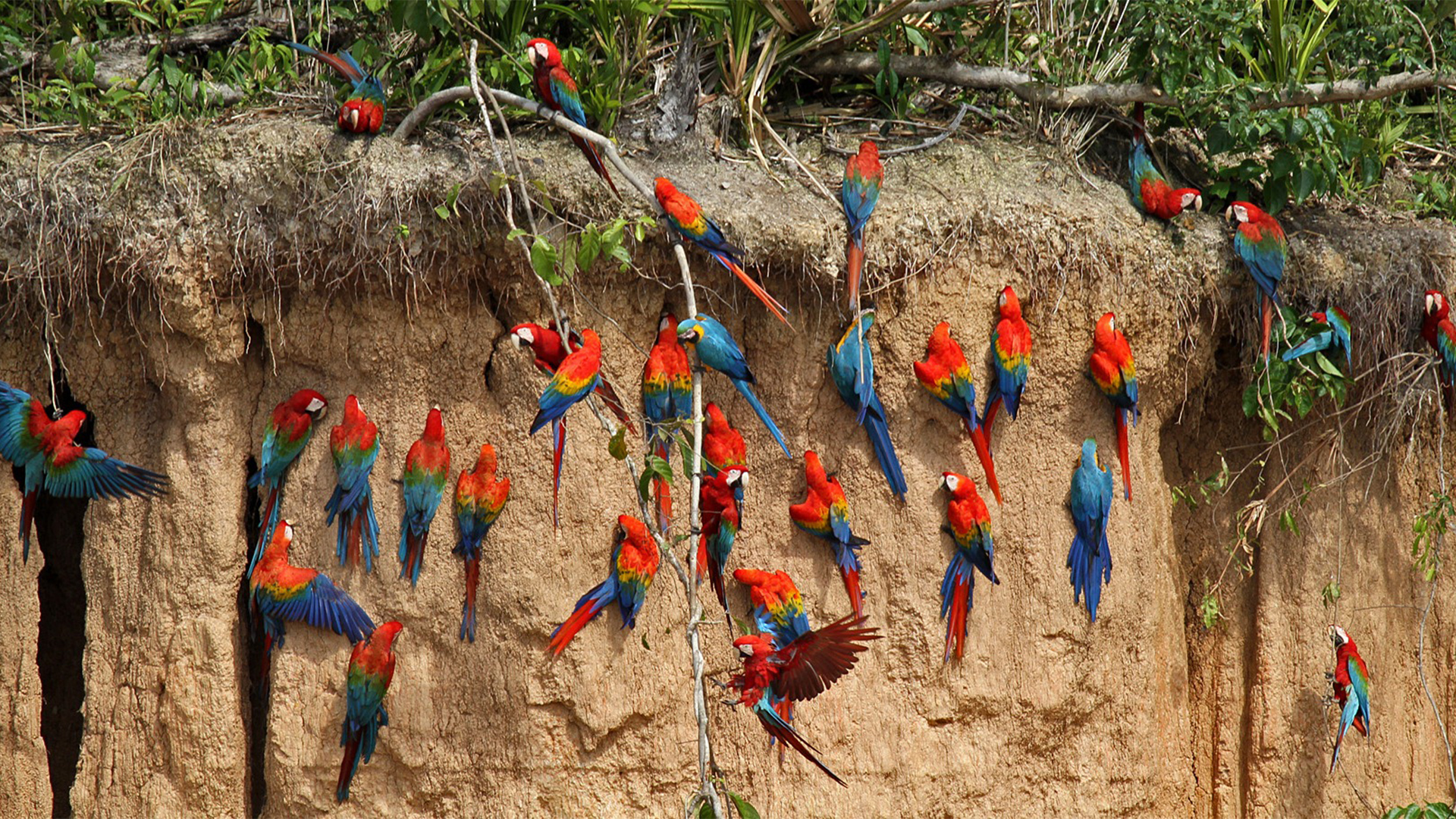
Very early in the morning, at 5:00 a.m., we will visit the parrot clay lick in Cachuela, a journey of approximately 50 minutes upstream from the city of Puerto Maldonado. There, you can observe various species of parrots gathered on the banks of the Madre de Dios River, licking the clay in a multicolored spectacle of flights and squawks—an unforgettable experience. It will also be possible to spot sloths. After returning to the lodge for breakfast, we will depart by kayak along the Madre de Dios River to reach the adventure activity center. We’ll walk for 5 minutes and then ascend a 20-meter-high tower, from where we’ll cross suspension bridges to contemplate the rainforest from the treetops, just as the animals see it. We’ll return to the lodge for lunch. We’ll go fishing by boat. We’ll have dinner and spend the night at the lodge.
TAMBOPATA RESERVE “LAKE SANDOVAL” / PADDLING ON THE LAKE / HIKING
We’ll prepare to visit Lake Sandoval. From our lodge, a 10-minute boat ride will take us to the port on the lake’s shore. From there, we’ll begin our visit to the Tambopata Reserve “Lake Sandoval” after an approximately one-hour hike. Once on the lake, we’ll paddle a canoe to explore its beautiful waters, home to a wide variety of birds and animals. We’ll return to the lodge for lunch and, afterward, enjoy the sunset. We will be able to observe sloths, capybaras, and caimans. We will have dinner and spend the night in our comfortable lodge. Campfire
This is one of the most anticipated activities for our visitors because we have the most beautiful view of the starry night in the jungle, accompanied by a campfire and some stories native to our Amazon region.
Return to the lodge 5:00 am
Day 4 farm and reforestation
This five- to eight-kilometer trail covers a typical tropical forest with immense trees crisscrossed by streams and ponds, winding through areas of fig, ceiba, and shihuahua trees.
Reforestation is the process of replanting trees in deforested areas to restore vegetation cover and ecosystems. Its objectives include biodiversity conservation, soil protection against erosion, combating climate change through CO2 absorption, and the production of timber or biomass for sustainable uses.
Ecological Restoration: To recover the structure and functionality of an ecosystem lost due to fires, logging, or agricultural activities.
Soil and Water Conservation: To protect the soil from erosion and improve the hydrological cycle of a watershed.
Climate Change Mitigation: To capture carbon dioxide from the atmosphere, helping to reduce the greenhouse effect.
Sustainable Production: To generate resources such as timber for industrial purposes.
Important
Included
Not Included
GALLERY